Arizona’s Energy Crossroads
As Arizona faces unprecedented demand from a booming tech sector and rapid population growth, energy experts are warning the state to avoid the aggressive renewable energy mandates that have left other regions with skyrocketing bills and unstable power grids.
Lessons from Britain’s Green Grid Battle
As Arizona faces unprecedented demand from a booming tech sector and rapid population growth, energy experts are warning the state to avoid the aggressive renewable energy mandates that have left other regions with skyrocketing bills and unstable power grids.
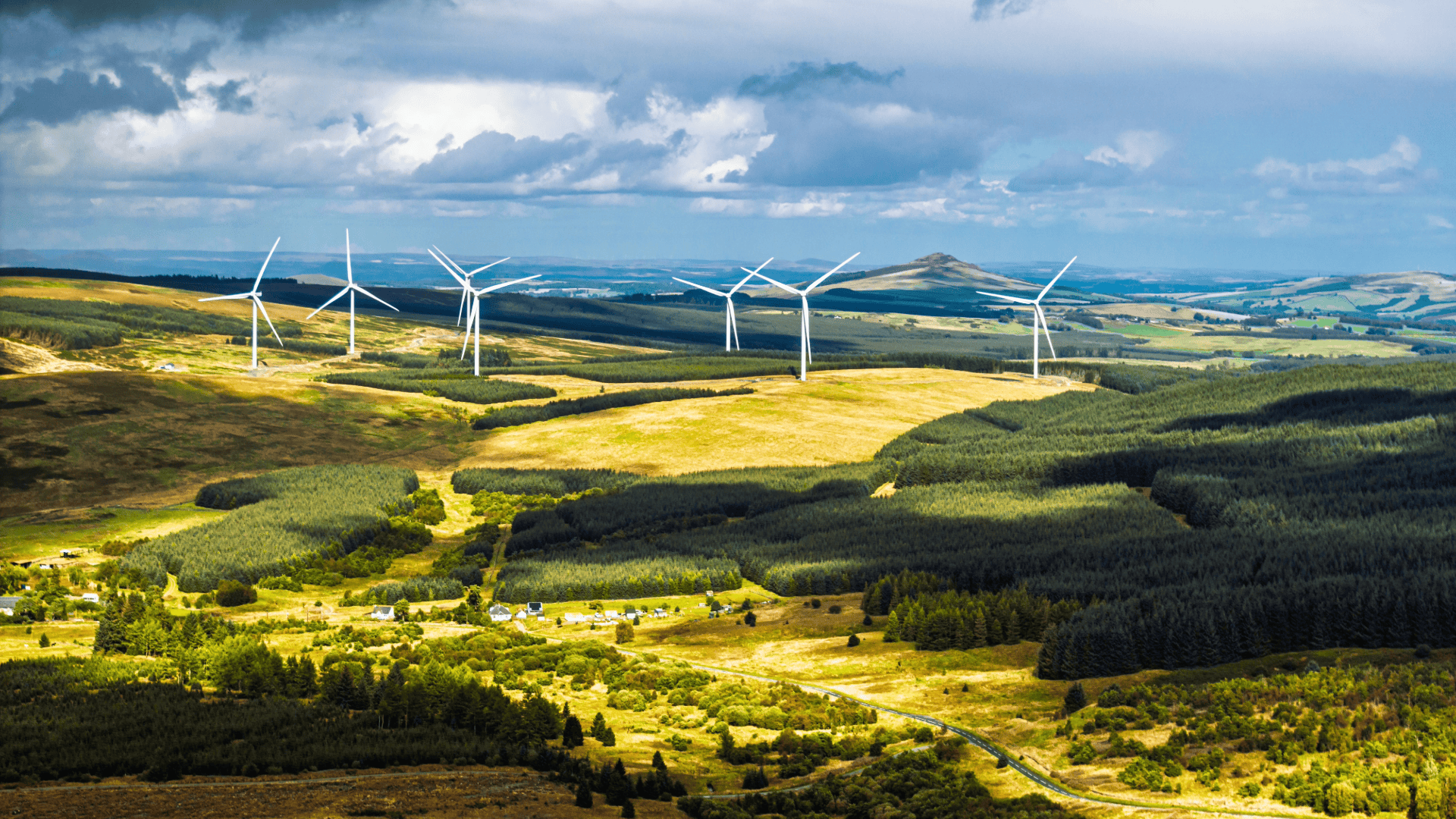
Keith Woods, a veteran utility policy expert and former board member of the Salt River Project (SRP) from 2000 to 2024, argues that the cautionary tale of Great Britain serves as a stark warning for the Grand Canyon State. Britain’s rapid shift to wind and solar has outpaced its infrastructure, resulting in a system that often cannot handle the power it generates.
The Risk of Renewables
The push for green energy often overlooks the physical limitations of the existing grid. According to Woods, much of the nation’s transmission infrastructure is decades old and was never designed for the intermittent nature of solar and wind power.
“The transition to intermittent renewables can create massive distortions in the energy market,” Woods noted. In the U.K., the government has been forced to pay generators billions of dollars to not produce power because the grid cannot safely transport it. For Arizona, adopting similar initiatives could lead to similar inefficiencies and higher household costs.
Prioritizing Reliability and Baseload
To power the state’s massive new semiconductor plants and AI data centers, Arizona requires “baseload” power—energy that is available 24 hours a day, regardless of whether the sun is shining.
Woods advocates for a strategy that prioritizes reliability over environmental mandates:
- Protecting Baseload: Maintaining traditional power sources like natural gas and nuclear to ensure the lights stay on during peak demand.
- Infrastructure First: Focusing investment on hardening the existing grid rather than subsidizing new, variable energy projects that strain the system.
- Cost Control: Avoiding the “green-energy bottleneck” that has contributed to British electricity bills doubling in recent years.

A Path Toward Energy Independence
Rather than following a path of rapid decarbonization that risks grid failure, Woods suggests a more measured, decentralized approach. By focusing on localized power production and maintaining a diverse energy mix, Arizona can remain a competitive hub for industry without sacrificing the reliability of its power supply.
“Arizona stands at an energy crossroads,” Woods said. “We must prioritize the stability of our grid and the affordability of our rates over speculative green initiatives that have failed to deliver elsewhere.”