Keeping the A/C On
Because in Arizona, reliable power is a matter of public safety.
SRP decisions determine whether the system performs when temperatures spike. As your next SRP Vice-President, Keith Woods will use three decades of board experience to keep the grid dependable through practical planning and real-world engineering—not political slogans.
A Grid That Holds Up Under Pressure
A reliable grid is useless if families are too afraid of the bill to use it. In Arizona, extreme heat is a threat that requires a cool home, not a choice between financial hardship and physical safety. As your SRP Vice-President, Keith Woods uses three decades of cost-discipline experience to ensure your bill never becomes a barrier to your safety.
Protecting Your Health and Your Wallet:
- Preventing “Thermostat Anxiety”: When rates are stable and predictable, families feel safe running their A/C when they need it most. Keith fights against the “bill shocks” that force seniors and families into dangerous trade-offs.
- Stopping the Price Hikes that Put People at Risk: Runaway costs aren’t just a budget problem—they are a safety problem. Keith’s three decades of oversight mean he knows how to spot unnecessary spending before it hits your monthly statement.
- Fair Rates for All Neighbors: Keith believes that essential cooling should never be pushed out of reach by hidden subsidies or special-interest “experiments.” Every ratepayer deserves a fair price for a reliable system.
- Experience Prevents Costly Mistakes: Rookie mistakes in utility planning lead to emergency power purchases that spike everyone’s bills. Keith’s institutional knowledge keeps our planning steady, protecting you from the volatility seen in other states.
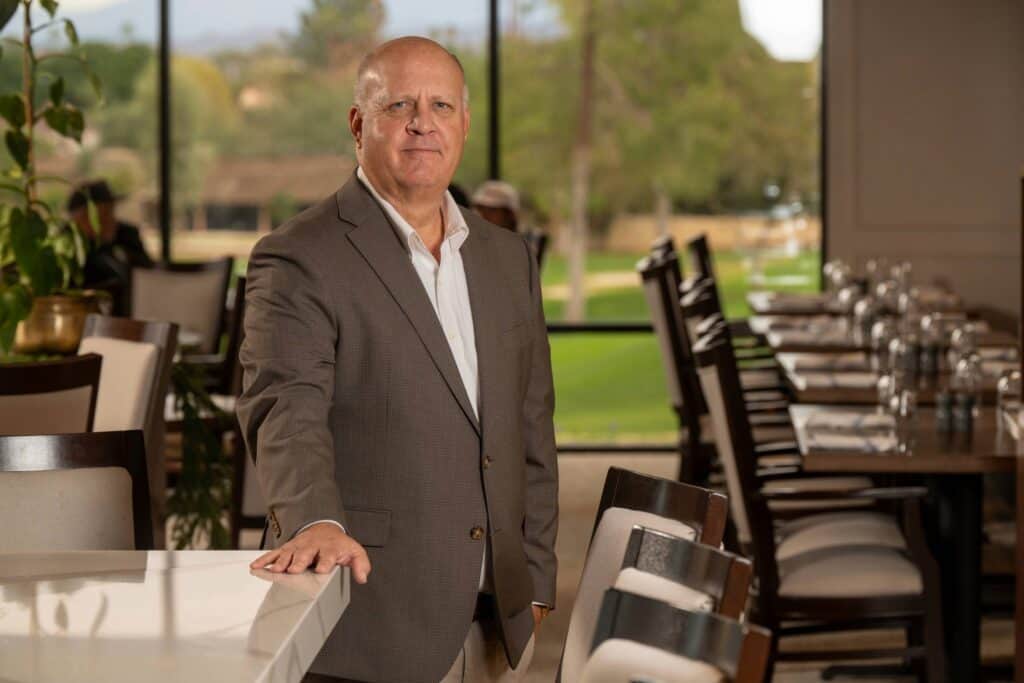
3 decades of srp board experience
Keeping the A/C On in Extreme Heat
Summer reliability doesn’t happen by accident. It comes from planning for peak demand, maintaining the system, and keeping enough dependable resources available when the heat is high and demand is still climbing.
As your next SRP Vice-President, Keith Woods will use his vast board experience to deliver:
Ensure SRP has enough dependable power available during peak hours—not just “average day” supply—so the A/C stays on when the heat is at its worst.
Maintain real operating reserves and fast-response tools so the system can handle sudden spikes, equipment issues, or weather shifts without failure.
Prioritize maintenance, targeted upgrades, and system hardening that prevent failures and shorten restoration time during the hottest months.
SRP should be run like critical infrastructure, not a political experiment.
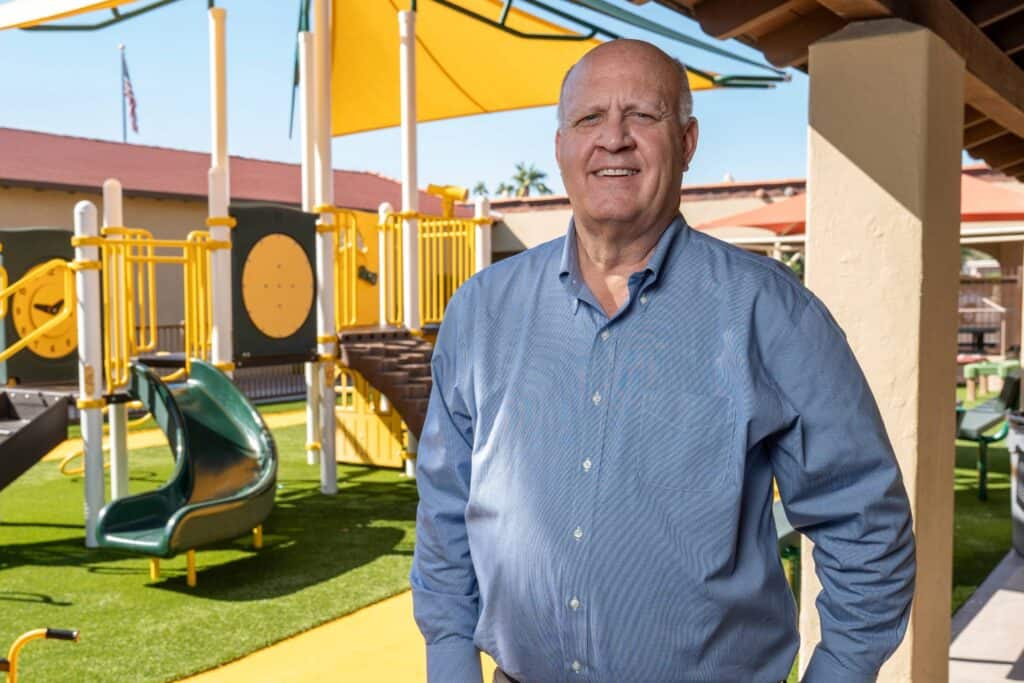
ELECTRIC Reliability Is a Health and Safety Issue
In Arizona, an outage is not just inconvenient. It can be dangerous, especially for seniors, families with young kids, people with medical needs, renters, and anyone without a safe place to cool down. The SRP Board’s responsibility is to keep the system dependable when heat stress is highest, while keeping decisions transparent and ratepayer-first.
SRP should stay focused on outcomes that matter to ratepayers:
- Reliability in extreme heat
- Faster outage restoration
- Practical planning that matches growth
- Transparent governance and accountability
- Independent local control focused on ratepayers
That is the standard of summer reliability Keith Woods will prioritize as your SRP Vice-President.
Planning for Peak Summer Demand
Electric demand is rising, and Arizona summers are unforgiving. Reliable power requires planning that is realistic about peak hours, system constraints, and what it takes to keep the lights on when the grid is under the most stress.
What responsible planning looks like with Keith’s three decades of SRP experience:
What We Can Learn From Extreme-Heat Grid Stress
Across the West, extreme heat is testing electric systems like never before. When planning falls behind real-world peak demand, customers pay twice: first in outages, then in expensive “catch-up” spending. Arizona can’t afford reliability surprises when the stakes are health and safety.
How Ratepayers Can Vote In The SRP Election
SRP elections are one of the few ways ratepayers can influence long-term decisions on rates, reliability, and governance. For the most current information on voter eligibility, early ballots, deadlines, and voting locations, use SRP’s official elections resources.