The Winter Energy MVP
As January 2026 winds down, many Americans are breathing a sigh of relief. This past weekend’s massive arctic blast, dubbed Winter Storm Fern, pushed the U.S. electrical grid to its absolute limit across a 2,000-mile stretch.
Why Coal Still Matters in a Deep Freeze
As January 2026 winds down, many Americans are breathing a sigh of relief. This past weekend’s massive arctic blast, dubbed Winter Storm Fern, pushed the U.S. electrical grid to its absolute limit across a 2,000-mile stretch.
While the “climate crowd” often argues that wind, solar, and batteries are ready to take the wheel, this weekend provided a cold dose of reality. According to a Jan. 25, 2026, opinion piece by the Wall Street Journal Editorial Board, coal power remained the “deep-freeze rescue” for an electric grid under immense pressure.
The Grid Stress Test
The North American Electric Reliability Corp. (NERC) issued a warning in November that extreme winter conditions over a wide area could result in electricity supply shortfalls. That prediction became a reality this weekend. As frigid temperatures supercharged demand in areas where Americans rely on electricity for heating—particularly in Texas—grid operators were forced to pull out all the stops to keep the heat on for tens of millions of people.
In the Midwest, utilities directed customers on Saturday to lower thermostats and unplug nonessential appliances. The Journal noted that for many, this meant “lukewarm showers and curling up in a heavy coat with a book.”
Coal as the Essential Backstop
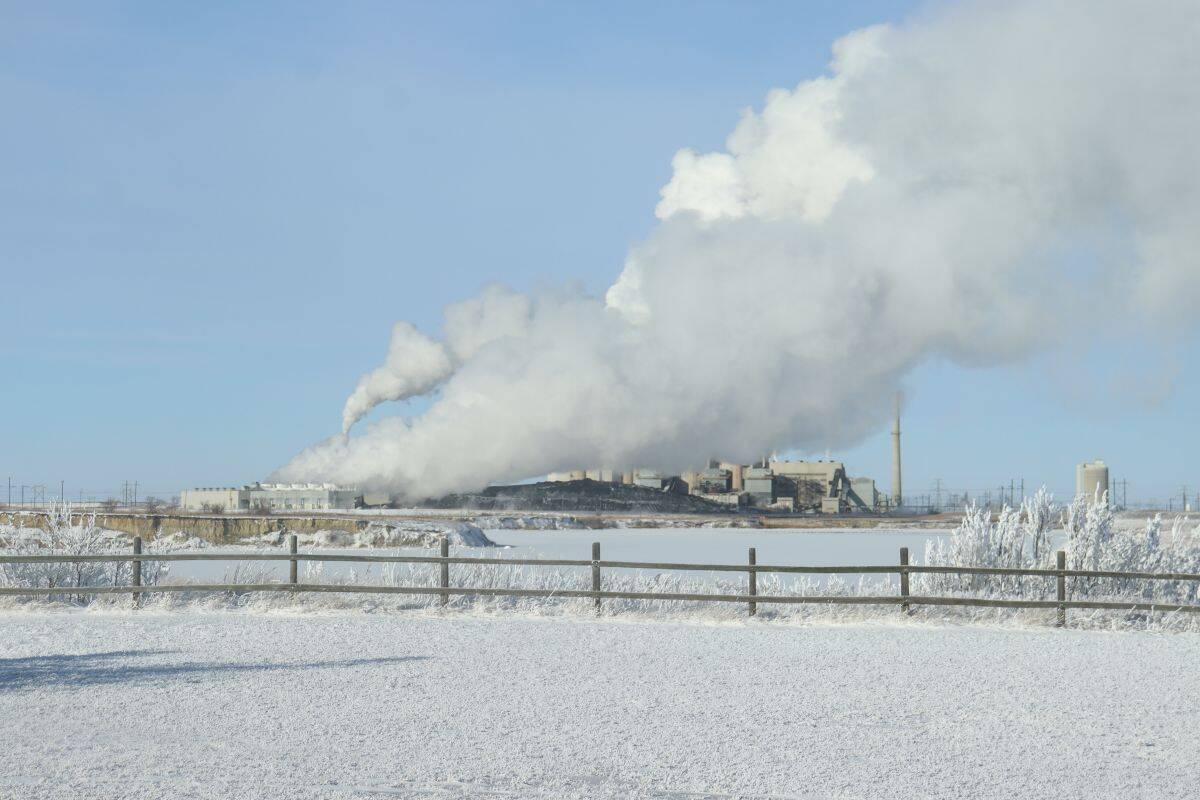
To prevent a total collapse, the U.S. Energy Department waived emissions rules to allow fossil-fuel plants to run at maximum capacity. The data from early Sunday morning highlights how critical coal remains to our national infrastructure:
- Midwest (MISO grid): Coal accounted for roughly 40% of total power.
- Eastern U.S. (PJM Interconnection): Coal provided 24% of the energy mix.
- Texas (ERCOT): Coal supported 18% of the grid, alongside natural gas and nuclear power.
In New England, where a “blockade” on gas pipelines has constrained fuel supplies, the situation was even more telling. The region was forced to resort to burning oil for 40% of its electricity at peak demand. Notably, the Journal reported that the region generated more power from burning wood and trash than from wind power during the storm.
Moving Beyond Political Rhetoric
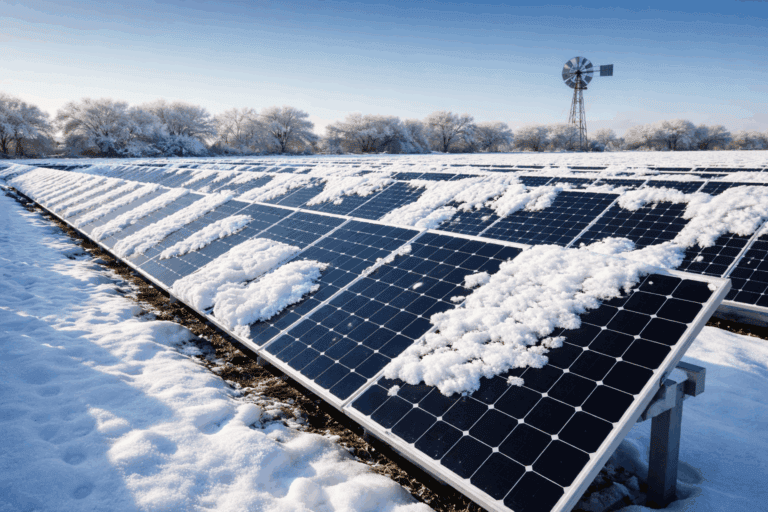
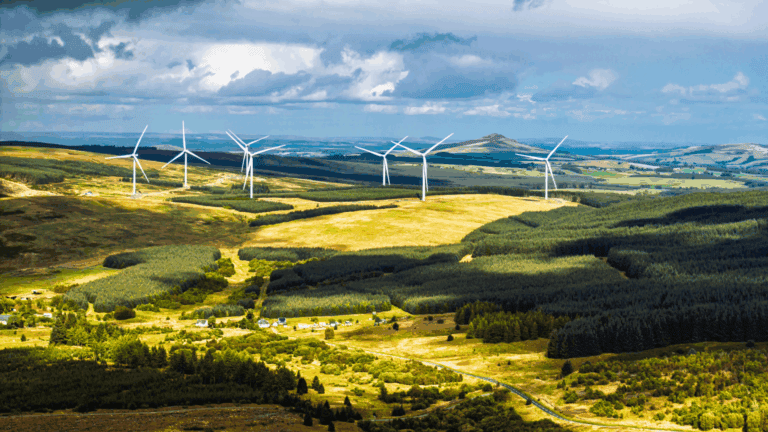
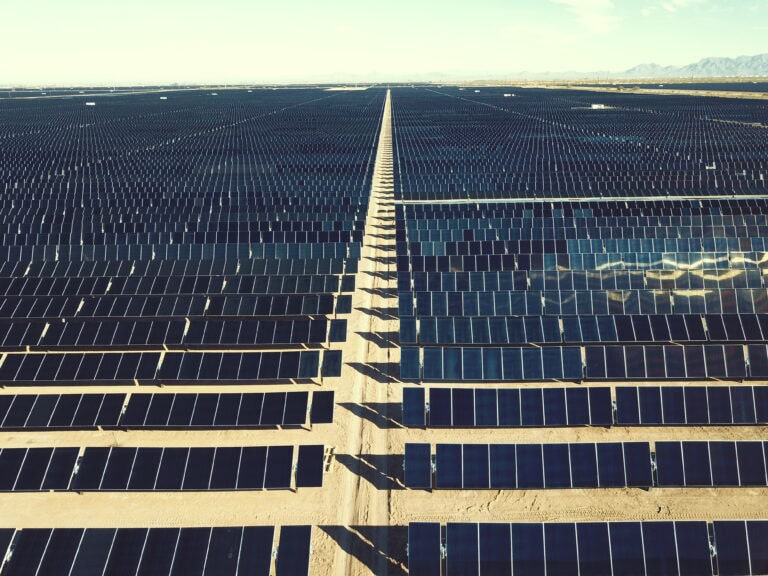
The climate movement claims that solar, wind, and batteries can fully replace fossil fuels, but those sources contributed very little power in most locations over the weekend. Wind and solar are notoriously unreliable during inclement weather, and current battery technology can only discharge power for a few hours—not the days required to survive a sustained arctic storm.
This deep-freeze energy scare underscores why the Energy Department recently issued emergency orders to “stop the political closure of coal plants.”
As we look toward the future of energy in Arizona and beyond, we must prioritize sound engineering and economic reality over political posturing. The grid needs reliable baseload power when temperatures plunge. We should be thankful for the energy sources that actually ride to the rescue when the lights—and our lives—are on the line.