The Paper Water Revolution
The most significant development in Western water did not occur at a reservoir or a groundbreaking ceremony.
San Diego Water Leaders Approve Water Exchanges
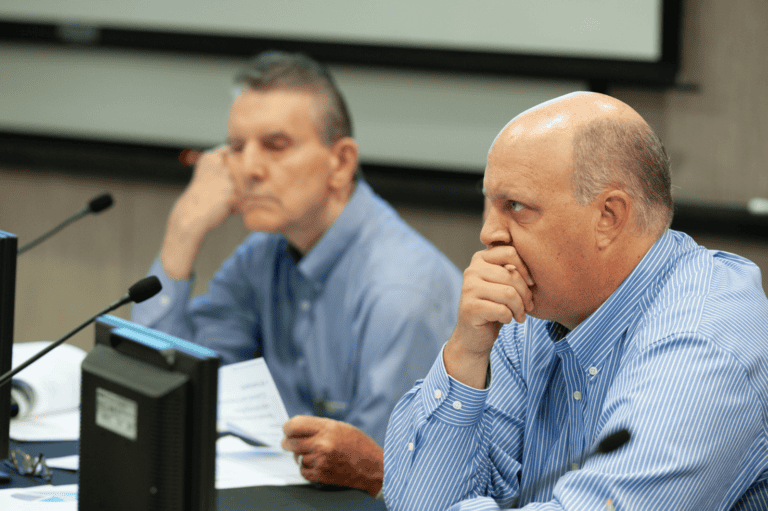
The most significant development in Western water did not occur at a reservoir or a groundbreaking ceremony. It happened in a boardroom in San Diego where the County Water Authority voted unanimously to pursue interstate water exchanges in late February, 2026. This move represents a fundamental shift in the management of the Colorado River by turning coastal ocean water into drought relief for inland neighbors.
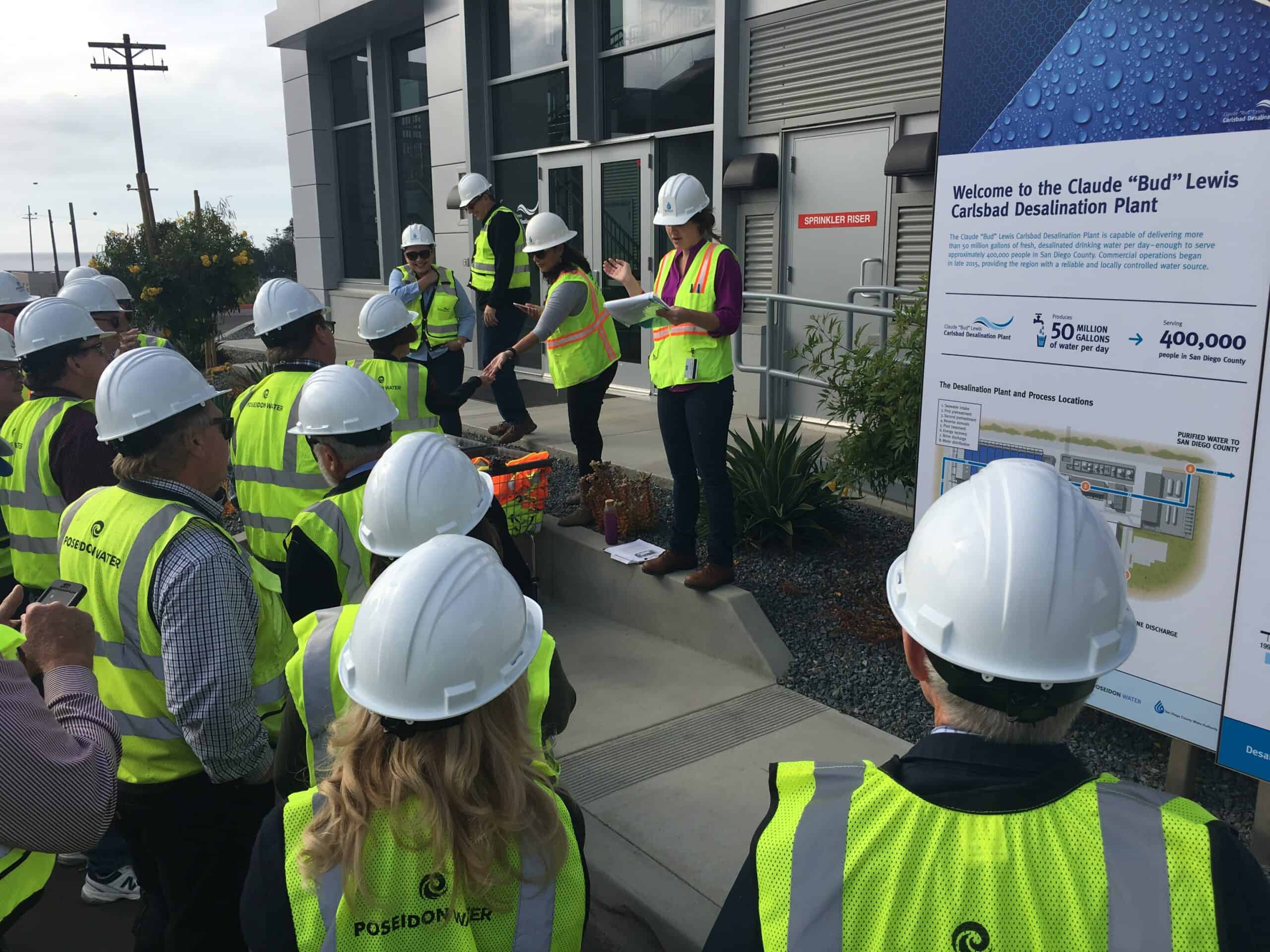
The process is a masterpiece of modern water diplomacy. The Carlsbad Desalination Plant creates a drought proof supply that allows San Diego to meet its local needs while drawing less from the Colorado River. This creates a surplus that moves to Arizona and Nevada on paper. No new canals are required because the water moves through accounting ledgers rather than physical pipes.
How the Carlsbad Desalination Plant Works
SRP’s Role in Regional Stability
During my nearly twenty five years on the SRP board, we observed the Project manage its systems with world class precision. We worked to ensure the Salt and Verde systems remained models of resilience. Today that historical strength serves as a powerful argument for leadership. While state agencies are already part of these new agreements, there is a technical gap that requires the specific expertise found within SRP.
The technical precision needed to execute these exchanges is exactly where the institutional knowledge of the Project becomes invaluable. SRP possesses the most sophisticated water accounting and delivery infrastructure in the state. SRP should be an active author of these new regional blueprints rather than a passive audience to them
Keith Woods: Key Policy and Utility Achievements
Bridging the Gap: The Scale of the Challenge
The data regarding the Colorado River is stark. With Lake Powell and Lake Mead at historic lows, the structural deficit of the river is an immediate crisis for Arizona communities. We must acknowledge that desalinated water will not be cheap but we must also recognize that the future of the West does not include cheap water. The era of easy abundance has concluded and the cost of water is now measured by the cost of a halted economy.
Communities like Cave Creek and Queen Creek face significant supply gaps and multimillion dollar purchase requirements. These neighbors require more than just water as they need the sophisticated infrastructure and paper water pathways to get that water to their residents. This challenge requires a regional perspective that looks beyond traditional boundaries and accepts the new economic reality of water.
The Paper Water Exchange Model
The Strategic Choice: Direction from SRP’s Board
Technical expertise only goes as far as policy allows. Whether SRP chooses to lend its institutional credibility to these regional solutions is a strategic decision that rests entirely with the current Board of Directors. During my tenure, we proved that we could build these necessary bridges through innovation.
The SCIF remains a proof of this concept. By creating a bi-directional gateway, we ensured that water could move where it is needed most based on the season. This infrastructure allows SRP to deliver extra runoff to CAP customers during wet years while enabling those same customers to trade their allotments to SRP in exchange. This allows water to be kept upstream in Lake Pleasant or Lake Mead for future use. SRP designed this facility to capture opportunities and prevent surplus water from being lost. That same forward thinking mindset must now be applied by SRP at the interstate level.
Arizona’s Water Gap: Documented Community Deficits vs. What Exchanges Can Cover
Sources
Cave Creek: Town of Cave Creek Water Shortage & Drought Management Plan (2022 update); AZFamily, Nov. 2025 (25% cut warning from Mayor Morris). |
Rio Verde: Scottsdale city memo, Dec. 2022 (117 AF annual hauled supply); Axios Phoenix, Feb. 2023 (600 AF restoration requirement). |
Queen Creek: Queen Creek Tribune, Nov. 2025 (Town Manager memo citing 12,000 AF identified supply gap; $240M purchase under consideration). |
Prescott AMA: Signals AZ / CWAG data: 17,000 AF pumped annually vs. ~10,000 AF recharged; Prescott + Prescott Valley = ~80% of total pumping. JournalAZ, Oct. 2024 (2019 annual overdraft exceeded 21,000 AF). |
Carlsbad: San Diego County Water Authority (54,000 AF/yr plant capacity; Feb. 26, 2026 MOU vote).
The Future is Now
The operating rules for the Colorado River after twenty twenty six will be written with or without SRP input. The paper water revolution being piloted in California will continue to scale whether or not the most sophisticated utility in Arizona helps to design the system.
The question for the Board is simple. Does SRP help architect this new era of water diplomacy or does the utility simply inherit the system that others build. During my years on the board, we built infrastructure to move in both directions because we knew the future would demand flexibility. That future has arrived.
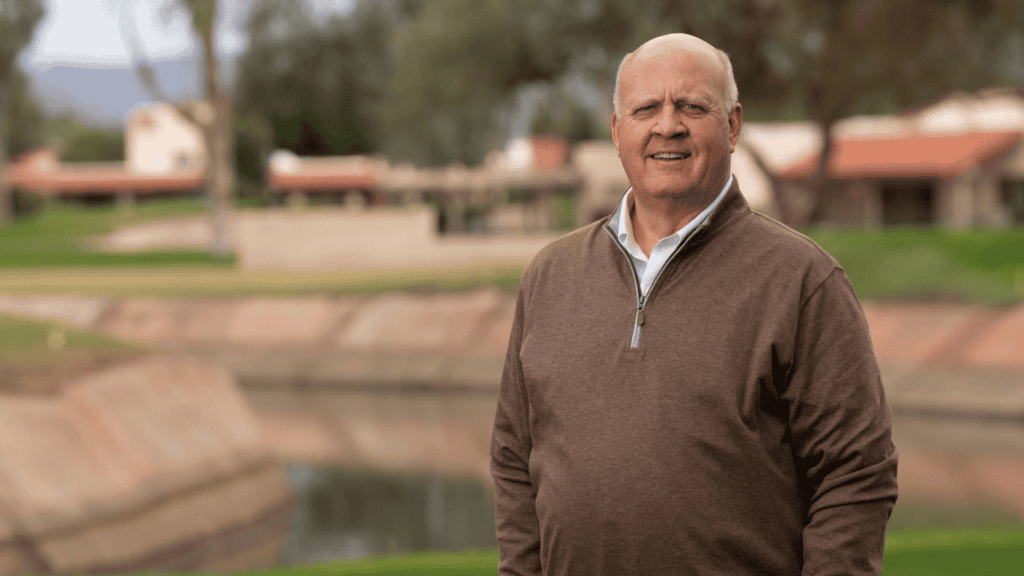
Keith Woods served on the Salt River Project Board of Directors for nearly a quarter century. He was instrumental in early policy work on the CAP–SRP Interconnection Facility (SCIF/CSIF) concept, the Horseshoe Dam sedimentation issue, and the analysis supporting the current Bartlett Dam expansion. He is a member of the Colorado River Water Users Association (CRWUA) and a former member of the National Water Resources Association (NWRA).