California’s Grid at a Crossroads
California’s energy policies have long served as a national bellwether, driving ambitious climate goals and pioneering the integration of renewable energy. However, as 2026 begins, energy experts and consumer advocates are increasingly questioning whether a decade of political posturing…
Political Posturing vs. Ratepayer Reality
California’s energy policies have long served as a national bellwether, driving ambitious climate goals and pioneering the integration of renewable energy. However, as 2026 begins, energy experts and consumer advocates are increasingly questioning whether a decade of political posturing has created a utility environment that is unsustainable for the state’s ratepayers.
For years, California has grappled with some of the highest electricity rates in the United States. Residents face frequent warnings of grid instability and the constant threat of wildfires linked to aging infrastructure. While the commitment to a clean energy future is widely praised, critics argue that the state’s path has prioritized symbolic victories and short-term political gains over pragmatic, long-term solutions for the average Californian.
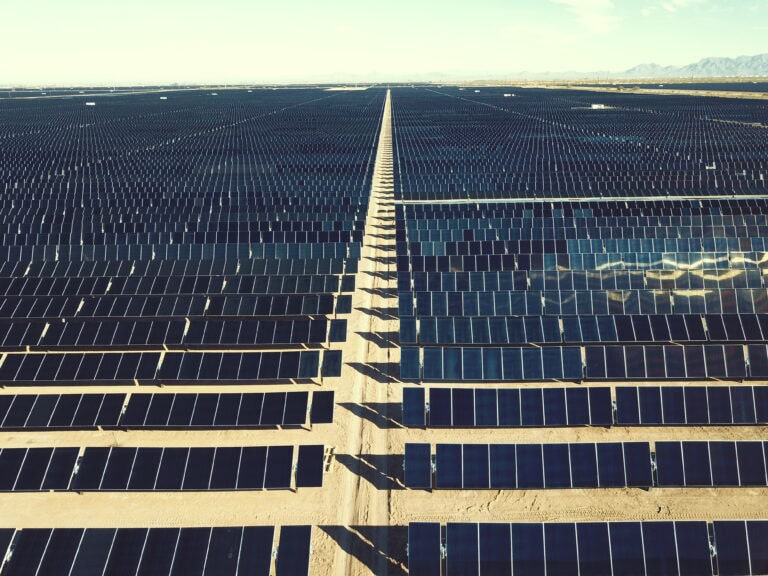
The state’s aggressive renewable portfolio standards have spurred innovation and investment in solar and wind power. Yet, this rapid shift has exposed significant challenges in grid modernization, energy storage, and the high cost of integrating intermittent resources without a robust infrastructure. In some instances, the state pays neighboring states to take excess solar power, even as it struggles to meet peak demand during summer evenings.

The Cost of Reliability
Furthermore, the immense costs associated with wildfire prevention, liability, and grid hardening are being passed directly to ratepayers. While officials call these expenses necessary, they are exacerbating an already high cost of living, pushing many families to their financial limits.
A recent move to implement a fixed monthly charge on utility bills—intended to stabilize revenue for infrastructure—has also drawn criticism. Opponents argue the charge could disproportionately impact lower-income households and those who actively conserve energy.
Critics contend that political decisions made without transparent cost-benefit analyses have compounded these issues. They argue that the focus on ambitious targets has often overshadowed the essential work of ensuring energy remains affordable, reliable, and equitable.
A Warning from Utility Experts
Steve Williams, a candidate for president of the Salt River Project (SRP), recently weighed in on the crisis facing the Golden State.
“California’s energy policy over the last decade offers a stark warning for SRP ratepayers,” Williams said. “When political posturing takes precedence over sound engineering and economic realities, ratepayers inevitably bear the brunt. The pursuit of lofty environmental goals, while important, must be balanced with practical solutions that don’t make electricity a luxury. We need to move beyond rhetoric and toward sustainable, affordable and reliable energy for everyone.”
The sentiment reflects a broader concern that California’s energy future requires a course correction. The challenge for state leaders in the coming years will be to bridge the gap between a progressive energy vision and the practical financial realities facing its citizens.