Know The X Factor
Every big decision at SRP has a hidden catch: The X Factor. It’s the invisible multiplier that could turn a “clean energy” headline into a lifelong rate increase.
The Billion-Dollar Reality of Solar and Storage
Every big decision at SRP has a hidden catch: The X Factor. It’s the invisible multiplier that could turn a “clean energy” headline into a lifelong rate increase. The recent SRP Board debate over the Coronado Generating Station is the perfect case study. While solar and batteries are the crowd-pleasing choice, they come with hidden costs that aren’t being discussed openly. Drawing on over two decades of experience in the industry, I’m pulling back the curtain on the Coronado decision. Before your rates are locked in for the next two decades, you need to understand the full equation, not just the version that sounds good at a press conference.

X FACTOR #1: THE “ALWAYS ON” MULTIPLIER
Most people don’t realize that electricity is a “use it or lose it” commodity. You can’t just bottle it up for a rainy day. When you flip your AC switch at 9 PM after a 110-degree Phoenix afternoon, that power has to exist in that exact microsecond. Right now. Not in five minutes.
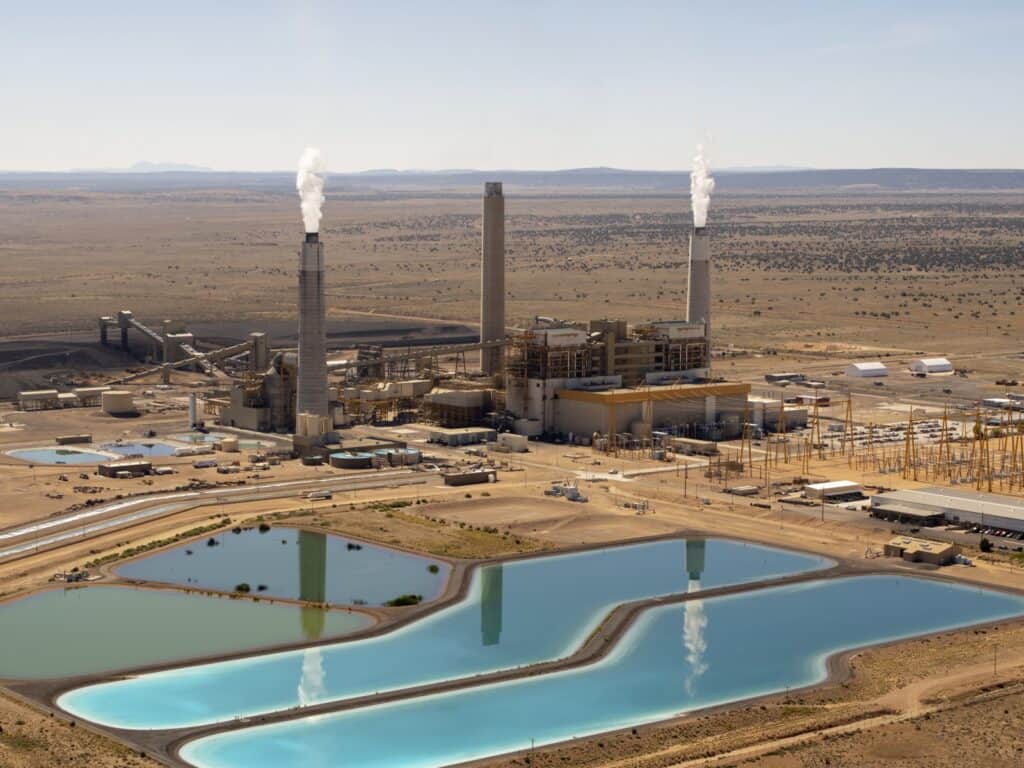
That is what Coronado does: it pumps out a steady, unwavering 820 megawatts around the clock. It doesn’t care about cloud cover, midnight heatwaves, or winter storms. It just runs.
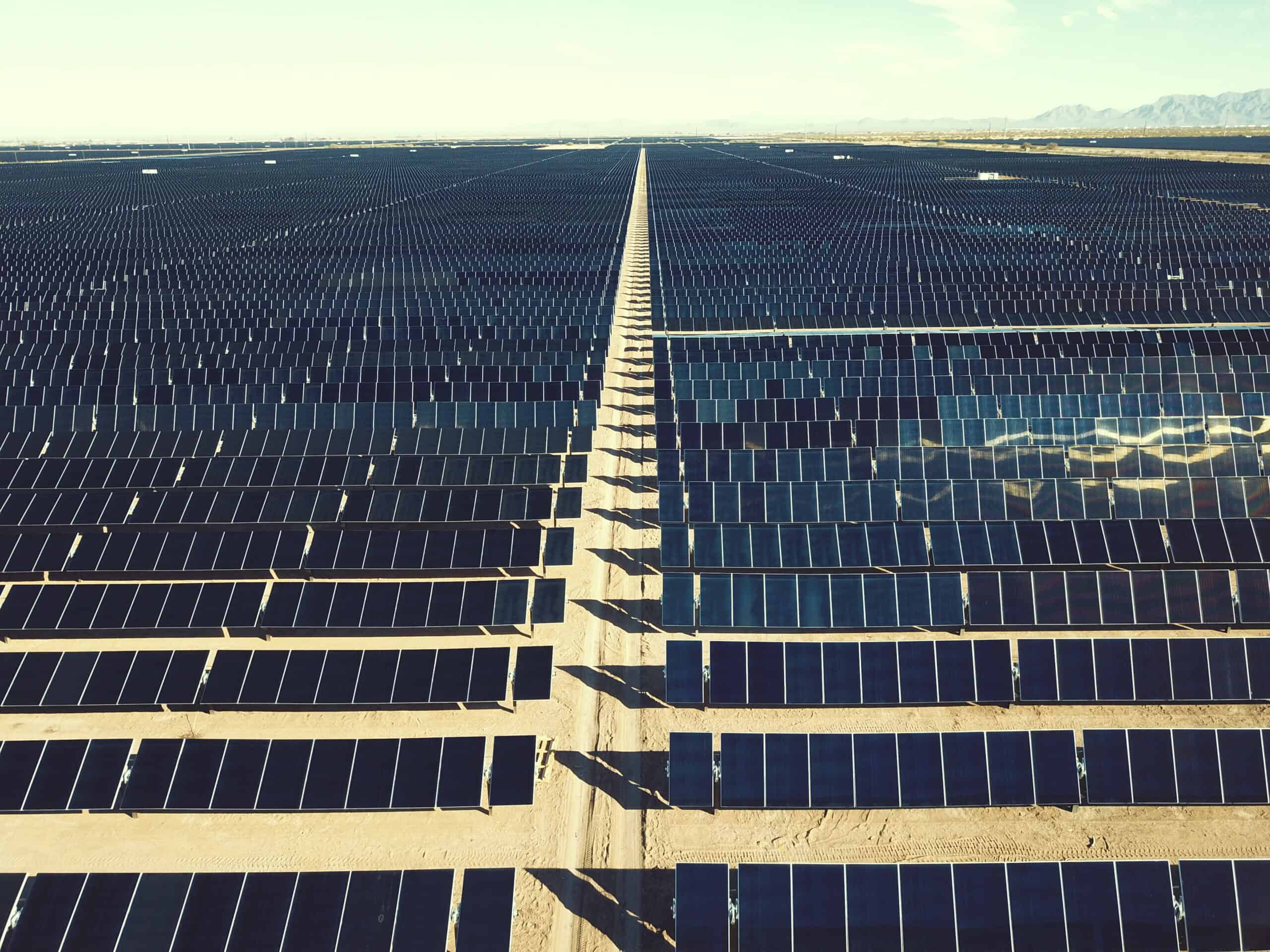
Solar technology is impressive, and SRP is right to invest in it. But the sun has a habit of setting exactly when Arizona families need power the most, when you get home, turn on the lights, and start dinner. To replace Coronado’s 820 MW of “always on” reliability with solar, you can’t just build 820 MW of panels. You have to overbuild the system to 3 or 4 times that size just to have enough extra juice to charge the batteries for the night.
To replace Coronado’s 820 MW of steady power with solar, you can’t just build 820 MW of panels. Because you also need nighttime power, you’d have to build 3 to 4 times more solar than you actually need, just to generate enough surplus during the day to charge the batteries for after sunset. That’s a massive amount of land, equipment, and money. And every bit of that cost eventually lands on your bill.
That is the X Factor. You aren’t paying for one power plant; you’re paying for four. That massive 4x multiplier goes straight into the rate base, and it stays on your bill for decades.
X FACTOR #2: THE 13x COST MULTIPLIER
This is the number that stopped me cold. If you want to know where your money actually goes, pay attention right here.
Think of Coronado like a heavy-duty work truck. The coal furnace is just the engine. The rest of the “truck” – the transmission lines, the massive turbines, the cooling towers, and the buildings – is in perfect condition. That infrastructure took billions of dollars and decades of ratepayer investment to build.
When SRP converts Coronado to natural gas, they are performing an engine swap. They keep 80% of the existing plant and install a cleaner, modern engine. Total cost: $100 million.
But when you build a brand-new solar-plus-battery facility to replace it from scratch, you aren’t just swapping engines – you’re junking the whole fleet and buying a brand-new truck. The batteries alone cost roughly $1.3 billion before you even break ground on the panels or buy the land.
That is the X Factor: a 13x cost multiplier. It is a massive price premium sitting right in the middle of the table, waiting to be transformed into a rate increase.
This isn’t an argument against solar. SRP is leading the Southwest in solar development, and they should be. This is an argument against paying a 1,300% premium when a smarter, more efficient path is staring us in the face.
You deserve to know that number before the hearing, not when you open your bill ten years from now.
X FACTOR #3: THE “PAY FOR IT TWICE” TRAP
Even if the upfront costs were identical, which they aren’t, not by a long shot, there is a third X Factor that almost never makes it into the public debate: batteries die.
You see this every day with your smartphone. After a year or two, it just doesn’t hold a charge like it used to. Industrial-scale lithium-ion batteries are no different. After 10 to 12 years of constant use, they lose their capacity and must be replaced. Not patched, not serviced, not upgraded, replaced from scratch.
Compare that to a natural gas conversion. With standard maintenance, a converted plant like Coronado can reliably pump out power for 20-plus years, well into the mid-2040s.
But a battery facility built today will hit its expiration date around 2036. That means you, the ratepayer, end up paying for the exact same “solution” twice in a 25-year window. This isn’t a minor technical footnote; it’s the difference between a stable bill and a decade of compounding costs.
X FACTOR #4: THE X FACTOR THAT WORKS IN OUR FAVOR – THE BRIDGE
Now, let’s flip the script. I know what some of you are thinking: “Keith, are you just arguing against clean energy?” Absolutely not. I’m arguing for smart timing.
Battery technology is evolving at breakneck speed. What costs $1.3 billion today will likely cost a fraction of that in fifteen years. Long-duration storage that lasts for days is in the lab right now. Small modular nuclear reactors are closing in on commercial reality. The clean energy toolkit of 2040 will make today’s tech look like a flip phone in a smartphone world.
By choosing the natural gas conversion for Coronado now, we capture three X Factors that actually work for the ratepayer:
- The Environmental X Factor: We don’t have to wait for a “2035 roadmap.” By flipping the switch on day one, carbon emissions at the Coronado site drop by more than 50%. That is a massive, immediate win for the air we breathe.
- The Bill X Factor: We keep $1.2 billion out of the rate base. That is $1.2 billion that doesn’t compound, doesn’t inflate, and doesn’t show up as “bill shock” on your statement next August.
- The Future X Factor: We avoid the trap of locking ourselves into expensive, short-lived tech. By using gas as a bridge, SRP keeps its options open. When the next generation of affordable, long-duration storage arrives, we’ll be financially ready to buy it, instead of still being stuck paying off a $1.3 billion debt for yesterday’s technology.
This isn’t about digging our heels in; it’s about building a bridge. We shouldn’t be forced to make a billion-dollar bet on the “Version 1.0” of batteries when “Version 5.0” is just around the corner.
X FACTOR #5: THE FULL SCORECARD
Before any rate hearing and before a single vote is cast, you deserve a raw scorecard – not a sanitized press release or a list of political talking points. You deserve to see the actual numbers, side by side, so you can decide for yourself.
| Factor | Gas Conversion (Coronado) | Solar + Battery Alternative |
|---|---|---|
| Upfront Cost | ~$100 million | ~$1.3B+ (batteries alone) |
| Reliability at Night & Peak Hours | Full 820 MW, 24/7 | Limited by battery charge; only ~4 hrs of storage today |
| Equipment Lifespan | 20+ years with standard maintenance | Batteries replaced every 10–12 years |
| Emissions Reduction vs. Coal | 50%+ cut, immediately | Potentially cleaner long-term (battery manufacturing has its own footprint) |
| Impact on Customer Bills | Minimized, reuses existing infrastructure | Significant upward rate pressure from capital costs |
| Future Flexibility | Plant can be retired when better tech is ready | Locks in expensive technology before it matures |
| Land & Construction Required | Existing footprint, no new site | Requires 3–4x solar capacity plus large battery fields |
THE BOTTOM LINE
A rate hearing might sound like dry bureaucracy, but it is the exact moment boardroom decisions are locked into your cost of living for the next twenty years.
The Coronado conversion is the ultimate case study of the X Factor in action. It’s the difference between an August electric bill that is manageable and one that forces your family to make hard choices. Done right, we slash emissions immediately, save ratepayers over a billion dollars, and keep our options open for the next generation of technology. Done wrong, we lock ourselves into a 13x price premium and a “pay-for-it-twice” cycle that will inflate rates for a generation.
With gas, you pay once to convert the plant, then pay for fuel over time as you use it. With today’s batteries, you pay a large amount upfront, and then you pay it again a decade later when the batteries wear out. When you run the full 25-year math, the gas conversion wins by a very wide margin on total cost to customers.
Footnote:
In June 2025, the Salt River Project (SRP) Board of Directors approved a plan to convert the Coronado Generating Station from coal to natural gas. Key details of this transition include:
- Accelerated Coal Retirement: SRP will cease coal-fired operations at the plant by 2029, moving up the original 2032 retirement date.
- Cost Savings: The conversion is estimated to save customers roughly $300 million compared to building a new natural gas facility and over $1.2 billion compared to implementing long-duration battery storage.
- Reliability & Sustainability: The move preserves 820 megawatts of capacity to meet growing peak demand while reducing the site’s carbon emissions by more than 50%.
- Infrastructure: The project involves retrofitting existing boilers and constructing a new 80- to 100-mile natural gas pipeline lateral to serve the site.
- Future Planning: The natural gas conversion serves as a bridge technology expected to operate into the mid-2040s, allowing time for newer technologies like advanced nuclear or long-duration storage to mature.