The Winter Energy MVP
As January 2026 winds down, many Americans are breathing a sigh of relief. This past weekend’s massive arctic blast, dubbed Winter Storm Fern, pushed the U.S. electrical grid to its absolute limit across a 2,000-mile stretch.
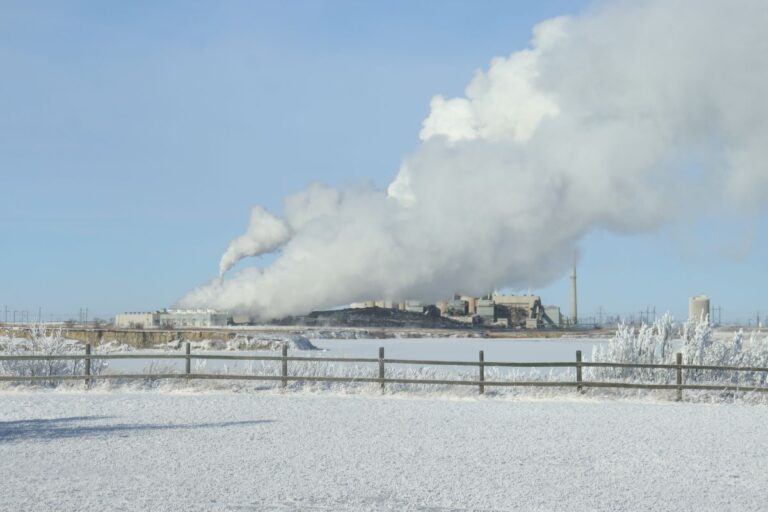
As January 2026 winds down, many Americans are breathing a sigh of relief. This past weekend’s massive arctic blast, dubbed Winter Storm Fern, pushed the U.S. electrical grid to its absolute limit across a 2,000-mile stretch.
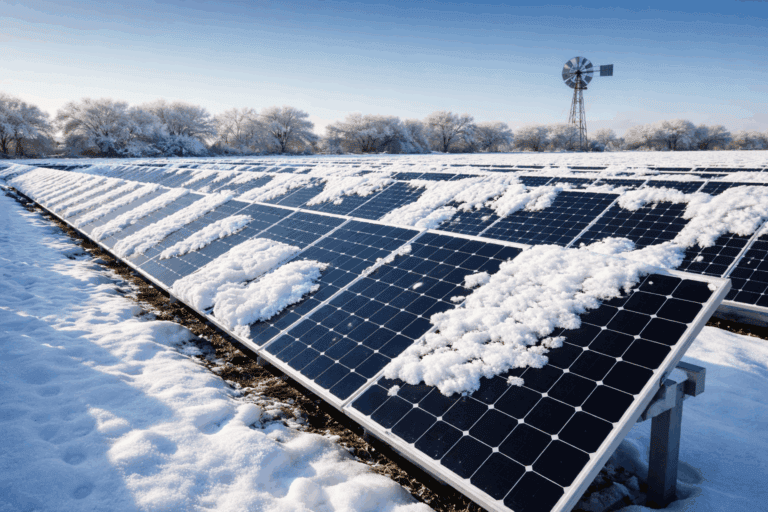
In January 2026, Texans are breathing a collective sigh of relief. Winter Storm Fern brought a punishing mix of ice, snow, and record-breaking demand to the Lone Star State, but the catastrophic blackouts many feared did not materialize.
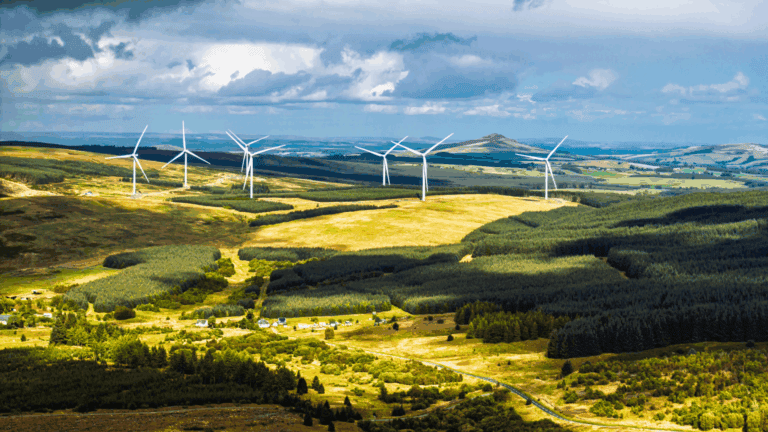
As Arizona faces unprecedented demand from a booming tech sector and rapid population growth, energy experts are warning the state to avoid the aggressive renewable energy mandates that have left other regions with skyrocketing bills and unstable power grids.
Amidst the technical debates over reservoir elevations and mandatory “structural deficit” cuts, veteran voices in the room are emphasizing the need for historical perspective and a move away from the current inter-state deadlock.
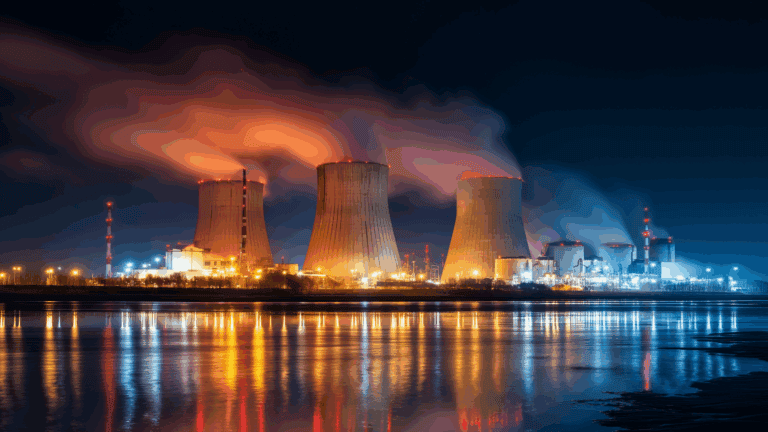
Nuclear power is gaining favor in tech circles as a big source for future grid demands. The President is pushing a huge new target for the U.S. power sector: quadruple nuclear generation over the next 25 years.
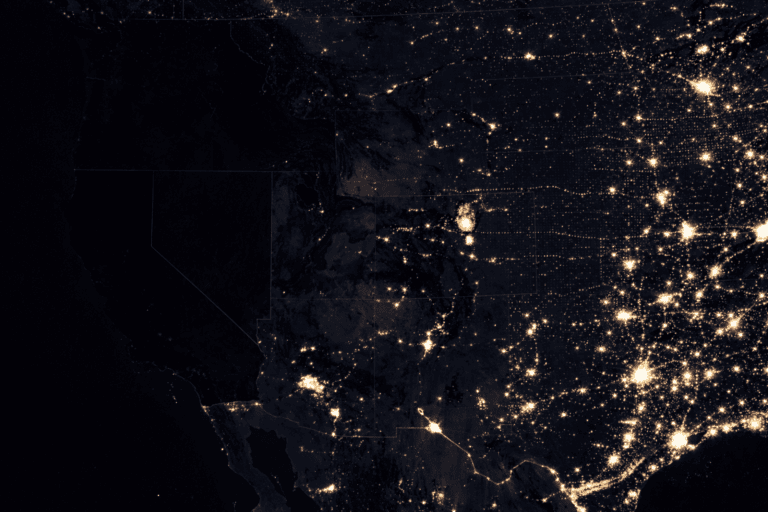
California’s energy policies have long served as a national bellwether, driving ambitious climate goals and pioneering the integration of renewable energy. However, as 2026 begins, energy experts and consumer advocates are increasingly questioning whether a decade of political posturing…